
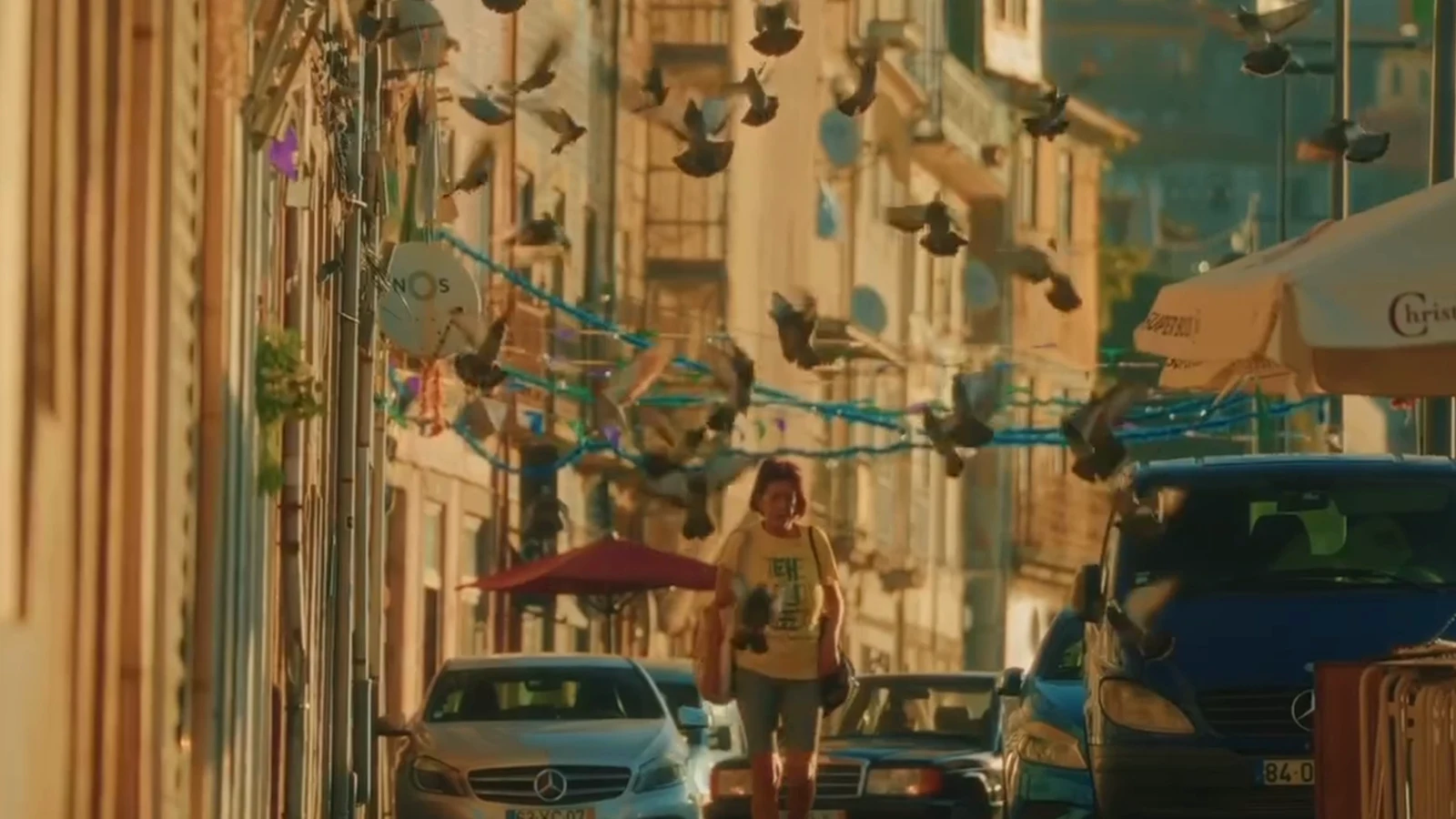
Golden hour is the period of low sunlight around sunrise or sunset that can give photographs and film warm colour, directional light and long shadows. For a UAE shoot, check the date and exact location, scout the sun’s direction and prepare before the useful light arrives. The window is not a guaranteed sixty minutes.
Decide what the light should do.
Warm light is a starting point, not a complete creative direction. Think about how you want it to meet the subject. Light from the side can reveal texture in fabric or architecture. Backlight can separate a figure from the background. A silhouette can simplify a scene, but it may remove the product detail a campaign needs.
Choose the effect that serves the story before planning the camera position. Nikon’s sunset guidance discusses protecting highlights and adapting exposure to the scene. Those choices matter as much as the colour of the sky. A beautiful background does not guarantee that the face, garment or product will be rendered the way the brief requires.
Calculate the window for the actual location.
There is no single golden-hour time that works throughout the UAE or across the year. Check sunrise and sunset for the shoot date and coordinates, then look at where the sun will sit relative to the intended frame. Treat that information as a planning guide and verify it during the scout wherever possible.
The visible horizon matters. A building, mountain or dune can interrupt direct light before the listed sunset time. In a city location, the useful patch of sunlight might cross the background briefly and then disappear. Photograph the scene at intervals during a recce so the team understands which compositions belong to which part of the window.

Arrive ready to make the frame.
Work backwards from the first image you need. Allow for travel, unloading, walking to the set, wardrobe, makeup and a lighting check. The time printed as sunset on the schedule should not also be the crew’s arrival time. Rehearse positions and movement while there is still room to adjust them.
Keep the essential shot list short enough to execute carefully. Group frames by camera position and subject orientation to reduce resets. If several looks or products need identical light, consider whether the brief requires more than one shooting window. A rushed sequence of almost-right images is less useful than a smaller set that does the intended job.
- Confirm the exact location, access time and intended sun direction.
- Have wardrobe, props and camera positions ready before the priority window.
- Capture the essential stills and motion sequences before optional variations.
- Leave time for a safe, organised pack-down after the light has changed.
Watch what changes between frames.
As the sun moves lower, brightness, shadows and colour can shift quickly. Review the subject as well as the sky and decide which highlights need to retain detail. A reflector or controlled fill may help balance a face or product, but the choice should preserve the intended mood rather than flatten every shadow.
For film, shoot connected actions close together where possible. A reverse angle captured much later may be difficult to match with the first shot. Record exposure and white-balance decisions, and give the edit enough coverage within the same light. For stills, check consistency across the collection instead of judging each frame only in isolation.
Keep an alternative that still belongs to the story.
Review the UAE National Center of Meteorology’s forecasts and warnings before the shoot. Cloud, haze and wind can change the working conditions and the result. Build the day around the actual forecast and location rather than assuming that a reference image will be available on demand.
Agree what happens if direct sun does not appear. A softer portrait, a tighter detail or a more graphic composition may still support the campaign. If low sunlight is essential to the concept, discuss a weather contingency during planning. Making that decision early is more useful than asking the crew to invent a different campaign at the end of the day.
UAE National Center of Meteorology: forecasts and warnings ↗
Preserve the feeling without losing the subject.
In the grade or retouch, evaluate skin tones, fabric and product colour alongside atmosphere. The scene can feel warm without every surface becoming orange. Share the intended treatment during preparation so the capture choices and finishing process support each other.
A successful golden-hour shoot is usually the result of preparation that happens before the light arrives. Bring Kiqa the campaign objective, references and required formats, and we can discuss how location, timing and production should work together. The aim is to make the available light part of a considered visual story.