
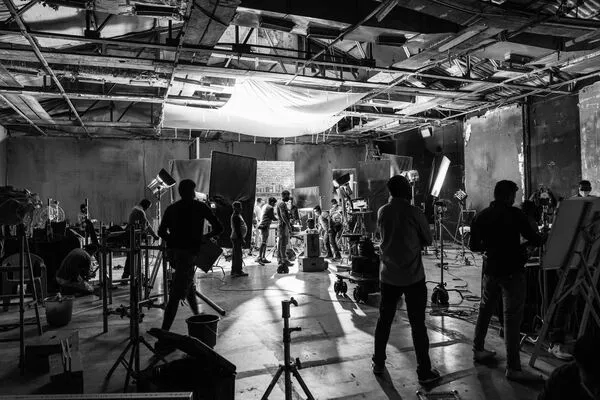
A useful photography or film brief explains what the work needs to achieve, who it is for, where it will appear and what must be delivered. Add visual references, a budget range, key dates and one clear approval process. You do not need a finished creative concept to start the conversation.
Start with the change you want to make.
Before describing a camera angle or a colour palette, describe the job the images need to do. Are you introducing a product, building a founder’s public presence or showing a collection to a new audience? These are different assignments, even when they all end with photographs and a short film.
A focused brief might say: “Introduce the texture and fit of our new collection to people discovering the brand on mobile.” That gives a creative team something concrete to solve. “Make it premium” is a mood, but it leaves the audience, message and intended use open to interpretation.
Describe the final destinations.
List the places the work will live before deciding how much to capture. A website banner, a portrait-format reel and a printed lookbook need different framing and space. A single image can sometimes serve several placements, but that should be planned rather than assumed.
Separate essential deliverables from optional additions. This helps the production team protect the most important frames and estimate the scope of editing.
- The number of final photographs and films, including any cutdowns.
- Intended placements and required aspect ratios.
- Whether space is needed for headlines, subtitles or product information.
- The intended usage, audience, territory and campaign period.
- The required delivery date, with time for review before publication.

Explain why a reference works.
A small set of references with useful notes is more helpful than an enormous folder of unrelated images. Point to the part you respond to: the softness of the light, the restraint in the styling, the pace of an edit or the distance between the camera and the subject.
It also helps to identify what does not belong in your world. If a reference has the right lighting but the wrong setting, say so. The aim is to develop a shared visual language, not to reproduce another campaign.
Put the practical details on the table.
Share the location, available dates, number of products or looks, and any people who must be involved. For a shoot in Mumbai or Dubai, be specific about whether a studio or location is already available, whether talent has been confirmed and who will arrange access.
A budget range helps the team propose a realistic route. It informs choices about crew, locations, equipment, set design and post-production. If a number is still being discussed, identify the parts of the project that are fixed and the parts that can change.
Decide how decisions will be made.
Name the person who will gather feedback and approve the work. Agree when the concept, shot list and final edits will be reviewed. Consolidated feedback keeps a project moving and helps the creative direction remain consistent.
A useful handoff is a short document with links to references and a clear list of open questions. It can be a page rather than a presentation. The brief starts a conversation; it does not need to answer every creative question in advance.
What should you send first?
Send the objective, audience, intended channels, essential deliverables, target dates and budget range. Include a few references and tell us what is already arranged. If you only have an early idea, share that and the decision you need help making.
At Kiqa, the brief leads into visual direction and production planning. The intention is to establish enough clarity that everyone can concentrate on making the work.