
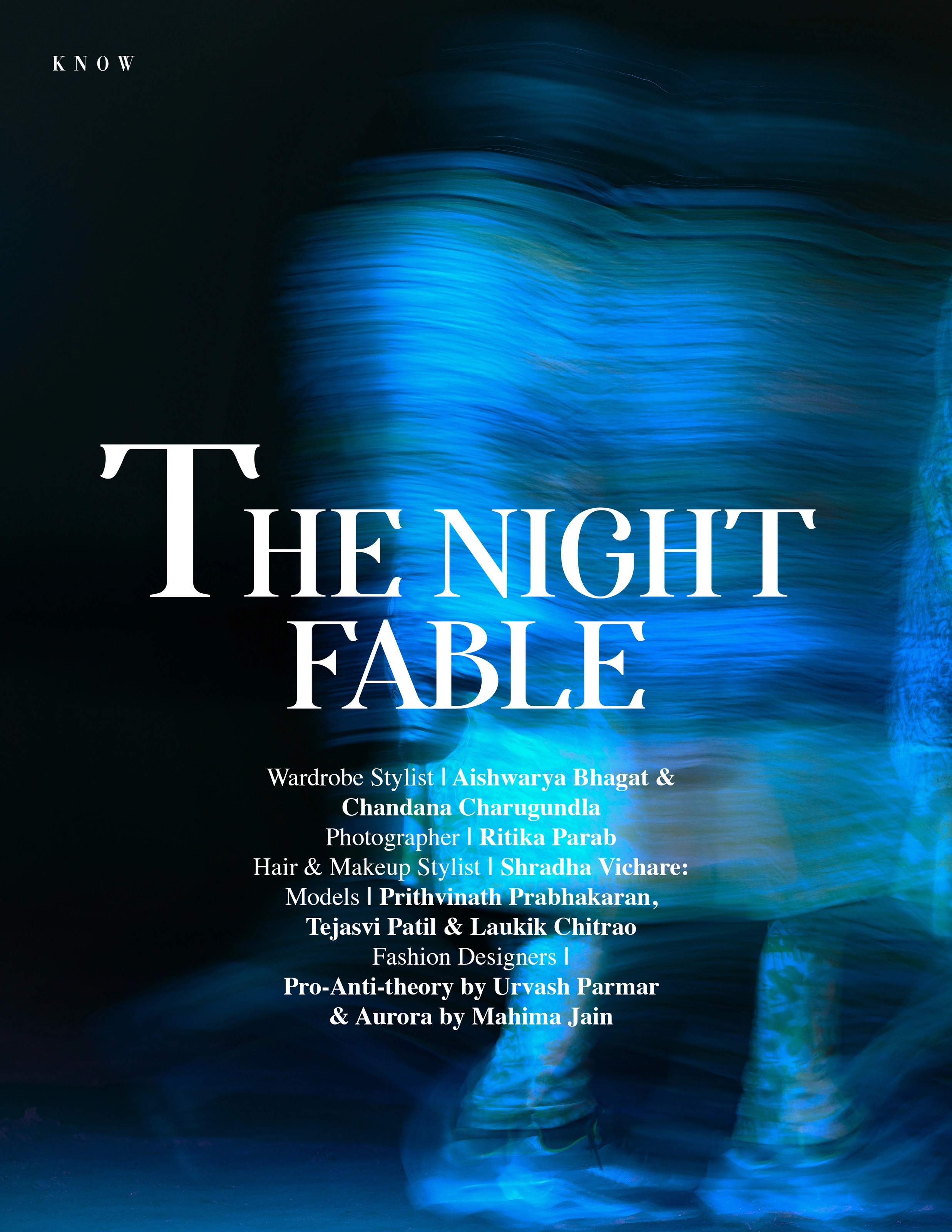
THE NIGHT FABLE / Case study

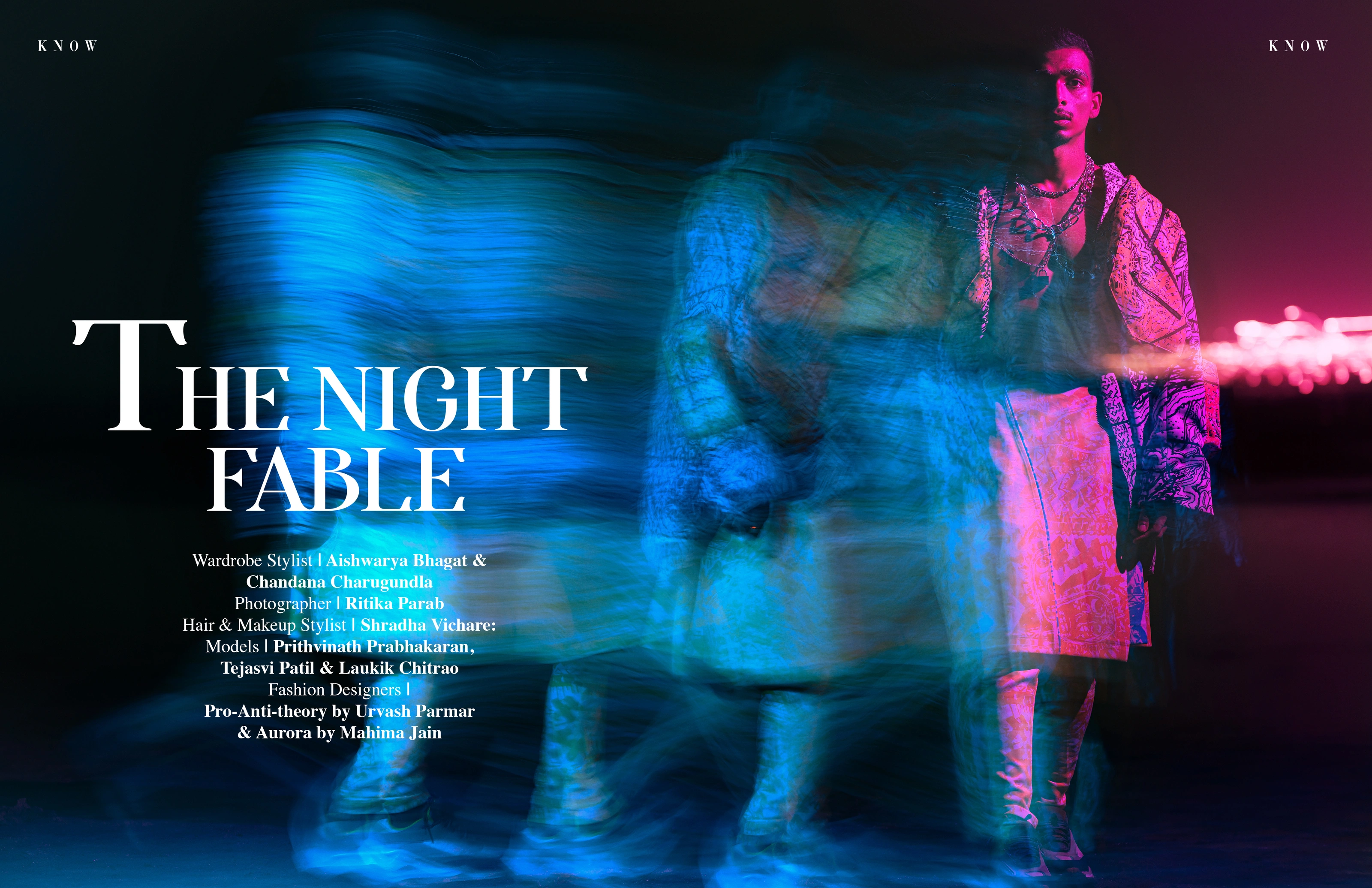
What happens to a city after everyone else goes home?

For those who wander after dark, and come home with a story.

Creative Direction · Fashion Editorial · Photography · Art Direction · Location & Visual Concept
Fashion editorial
Explore the full gallery
01 / 06

01 / THE NIGHT FABLE

What happens to a city after everyone else goes home?

The Night Fable began with a simple observation. Some of the most interesting stories happen after dark.

People leave home without quite knowing where the night will take them. They drive, wander, meet people, disappear somewhere else, find strange places, make memories and eventually return with a story.

We wanted to turn that feeling into a fashion editorial.

The Night Fable is about the characters who wander through the night, and the stories they collect along the way.

Not nightlife in the conventional sense. No clubs. No velvet ropes. No polished city skyline.

Instead, we went looking for the places that become something completely different after dark.

THE NIGHT FABLE: What happens to a city after everyone else goes home?

02 / THE NIGHT FABLE

Finding Beauty Where It Wasn't Intended

One of the central ideas behind the project was to challenge where fashion is expected to exist.

Rather than building a conventional set, we used the environment itself as part of the creative direction.

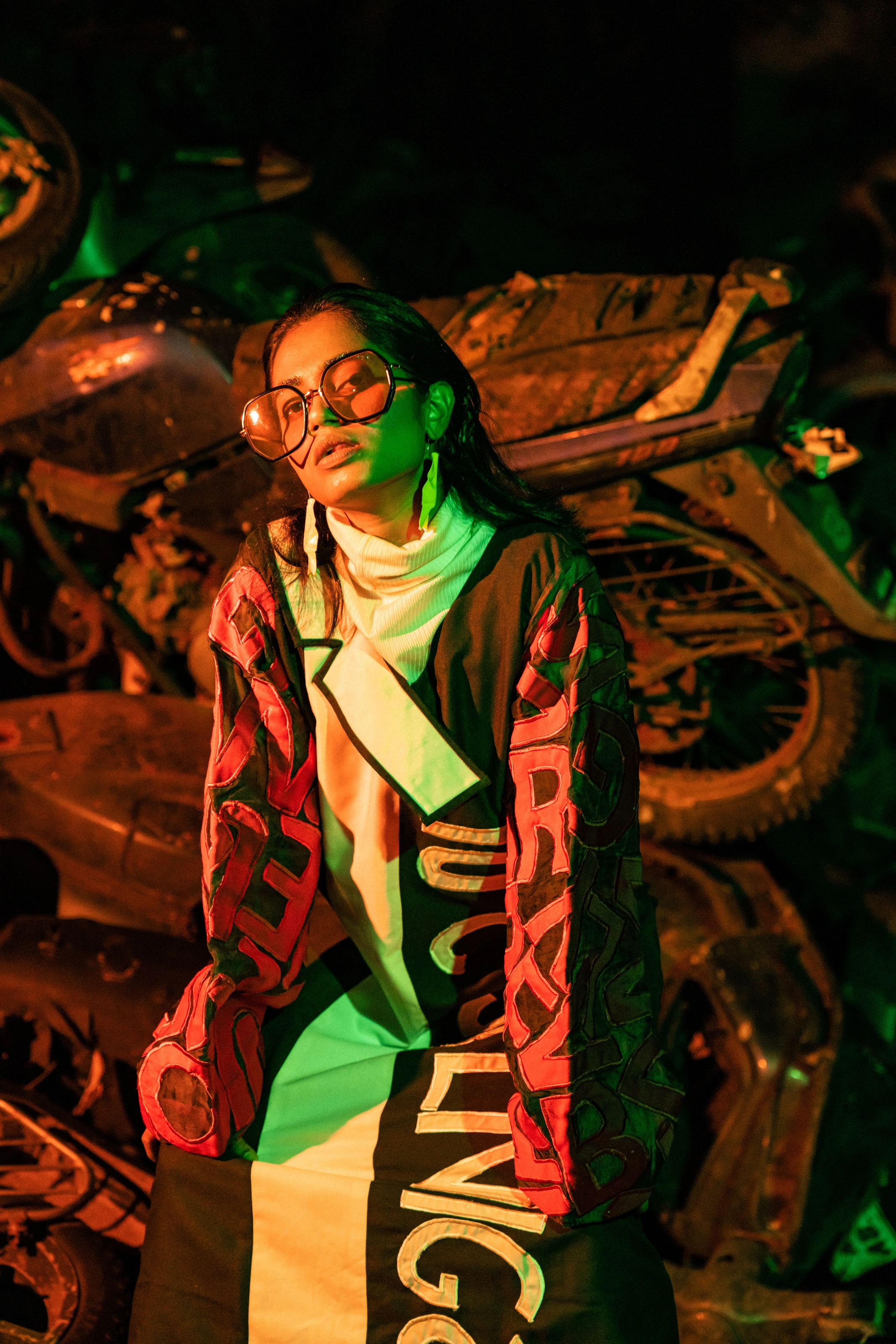
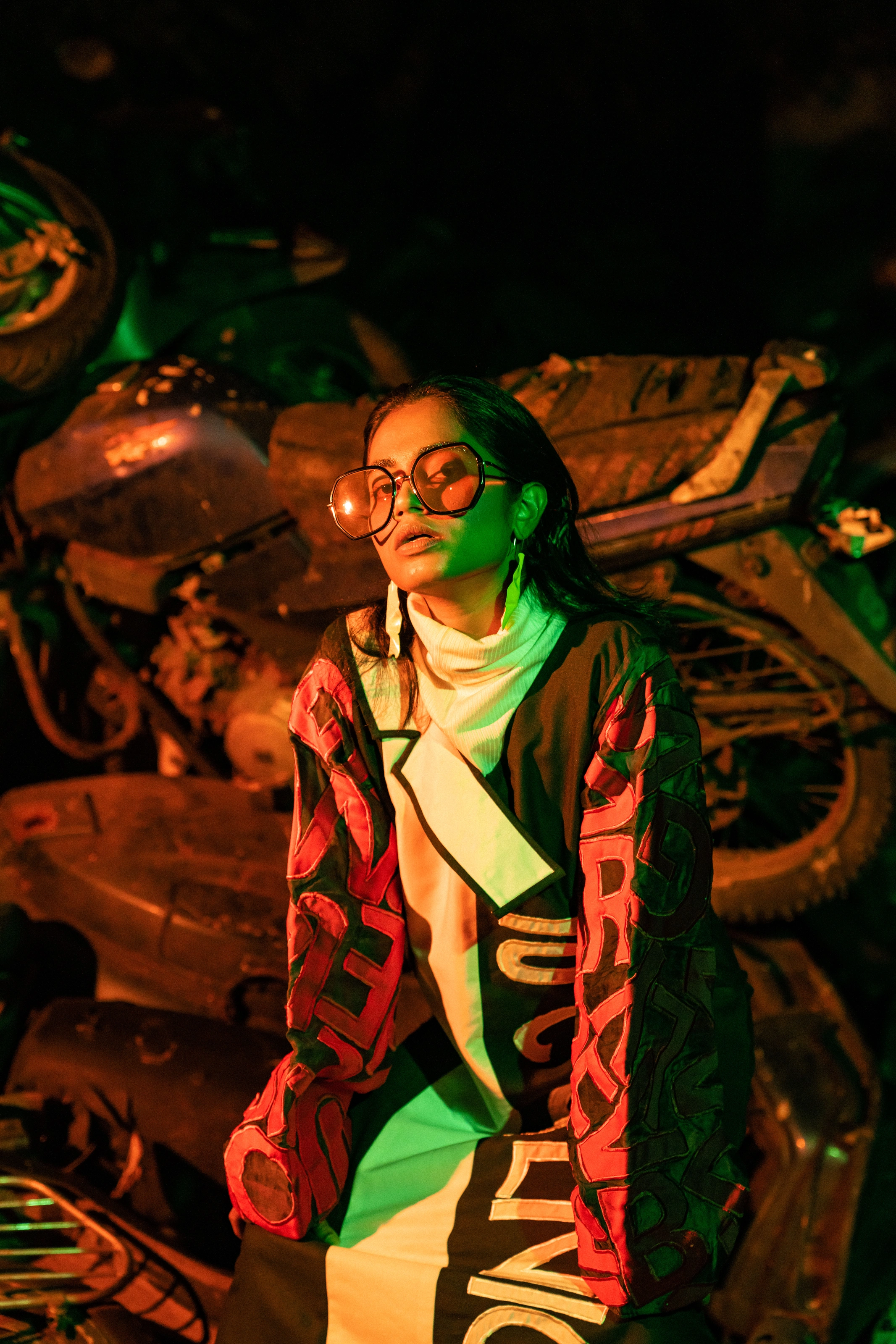
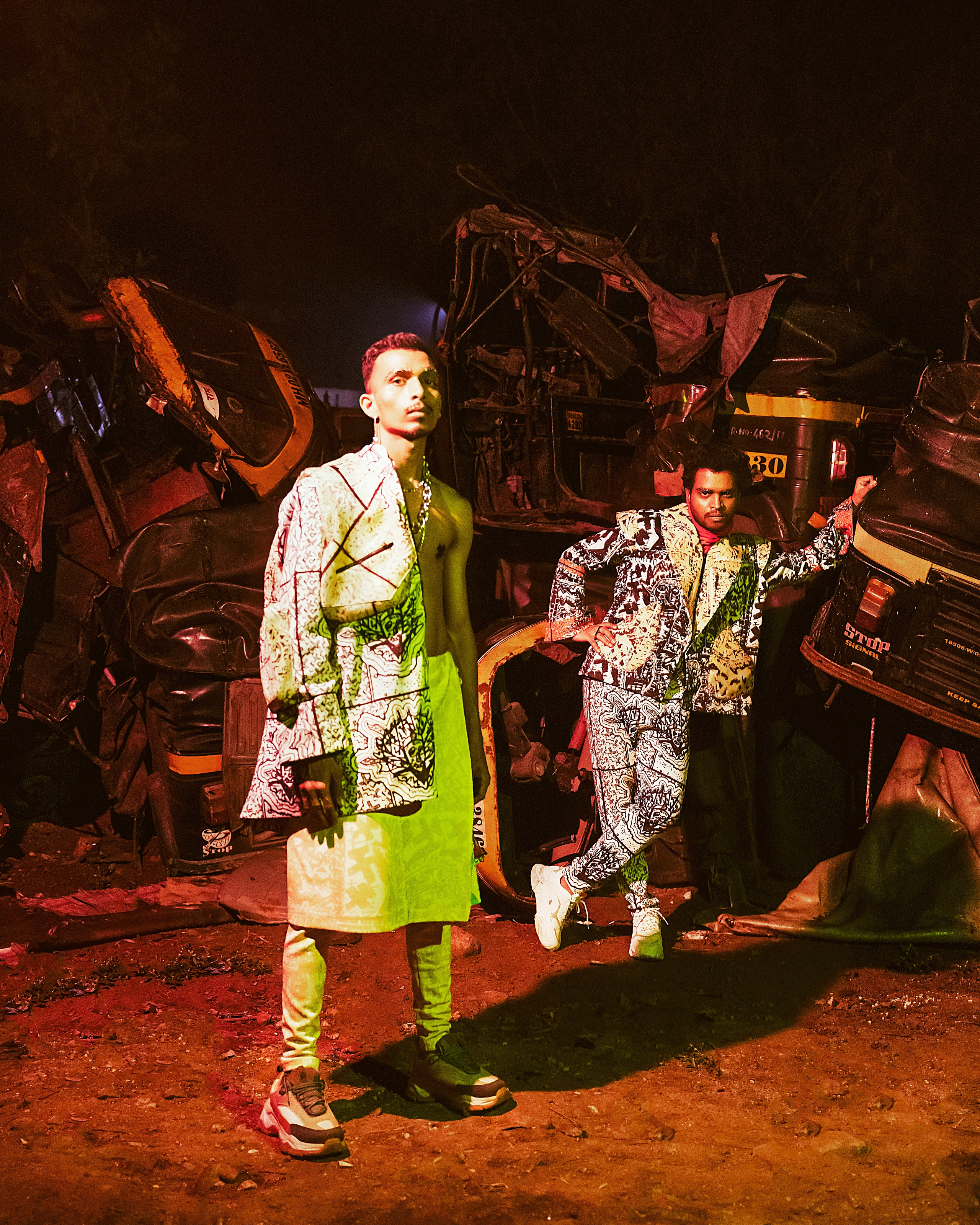
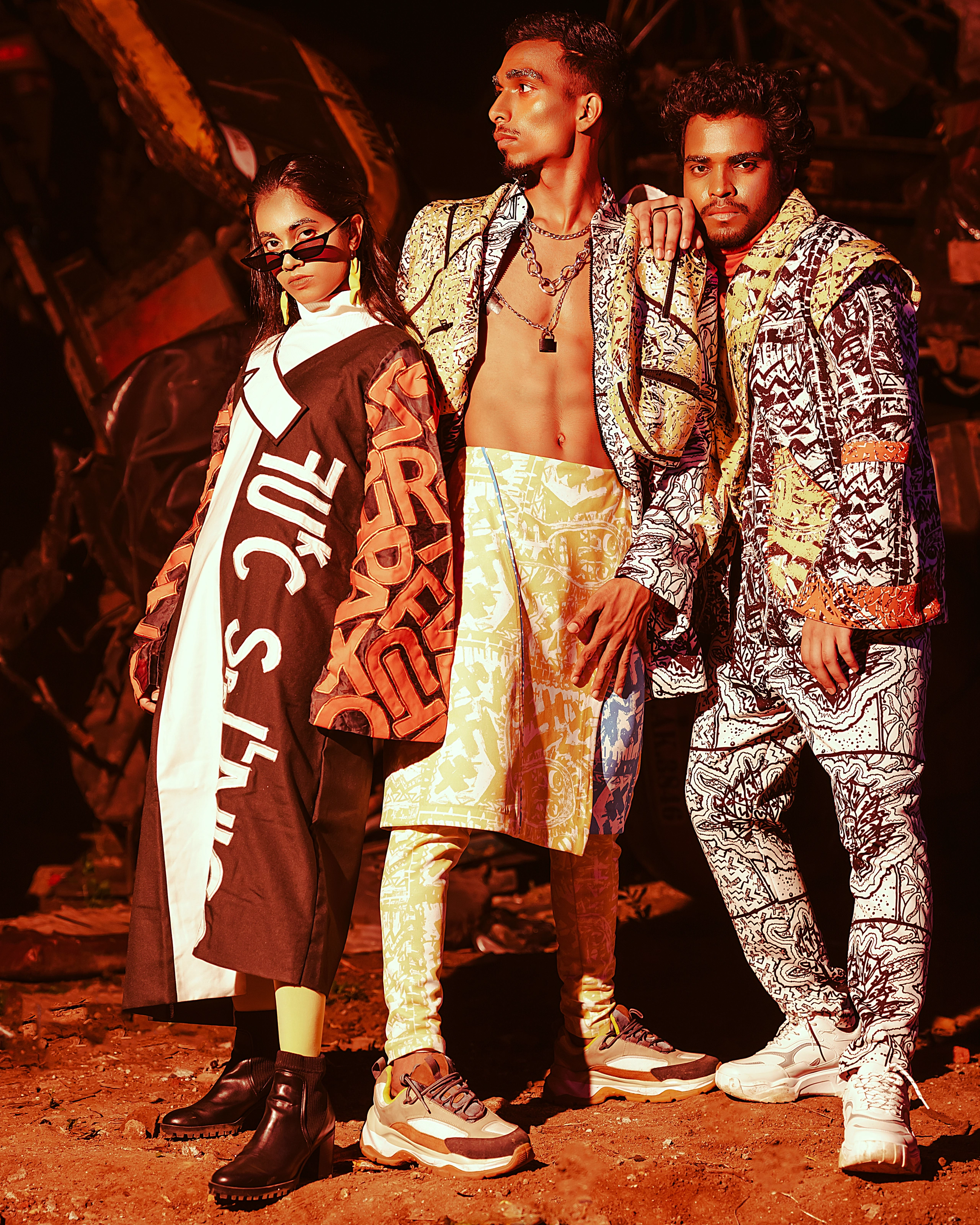
A vehicle scrapyard became one of our primary locations.

Broken motorcycles, exposed machinery, metal, dust and discarded objects created a deliberately chaotic backdrop against the construction and graphic language of the clothing.

Nothing was cleaned up. That was the point. The imperfections of the location gave the images their texture.

Against the industrial disorder, the models feel almost misplaced, and precisely because of that, they become impossible to ignore.

THE NIGHT FABLE: Finding Beauty Where It Wasn't Intended

03 / THE NIGHT FABLE

The Scrapyard After Dark

For the scrapyard chapter, we moved away from conventional fashion lighting.

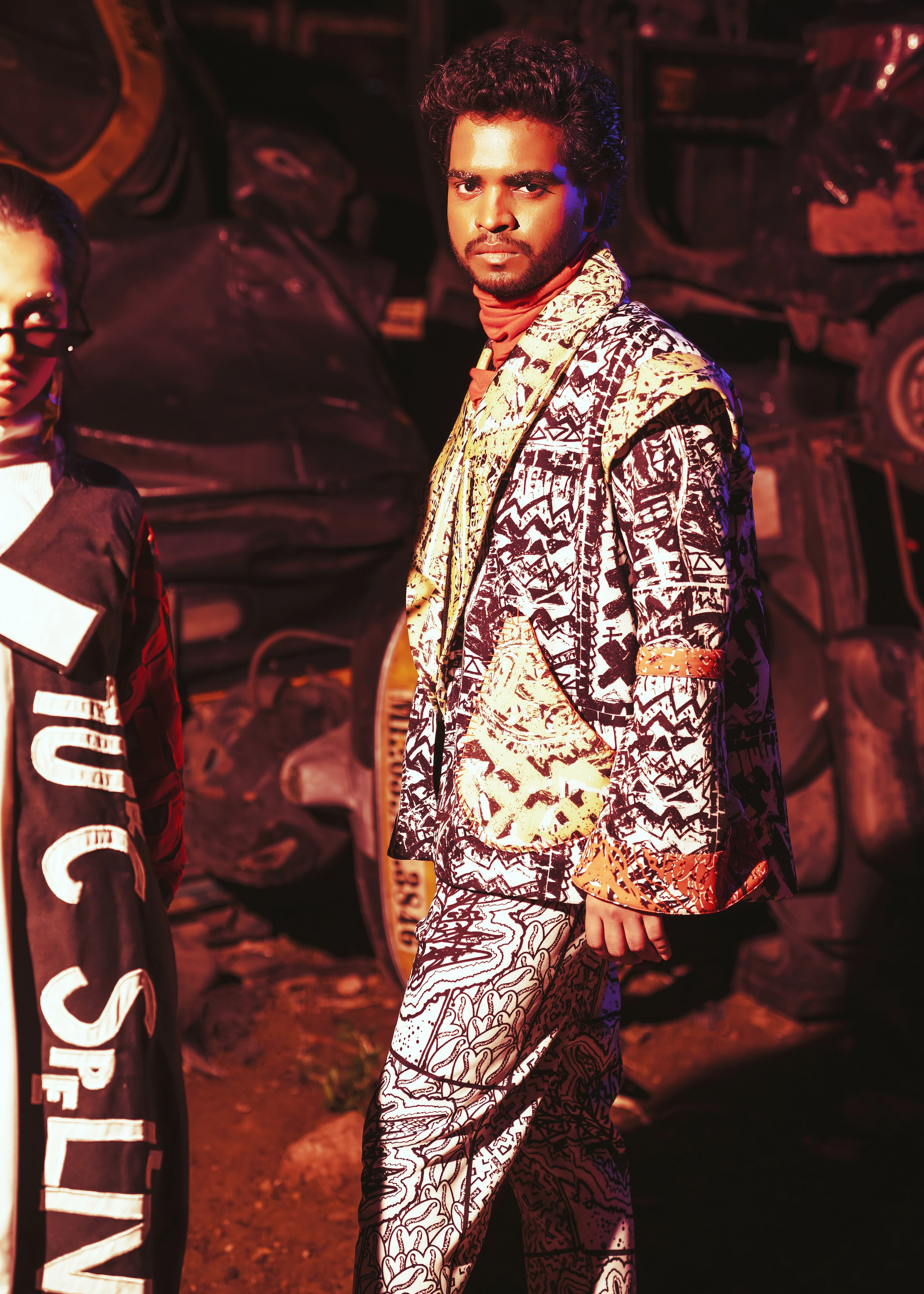
Acid green and burnt orange light transform a space associated with waste and abandonment into something cinematic, almost surreal.

The lighting doesn't attempt to hide the environment. It exaggerates it. Rust becomes colour. Metal becomes texture. Old motorcycles become set design.

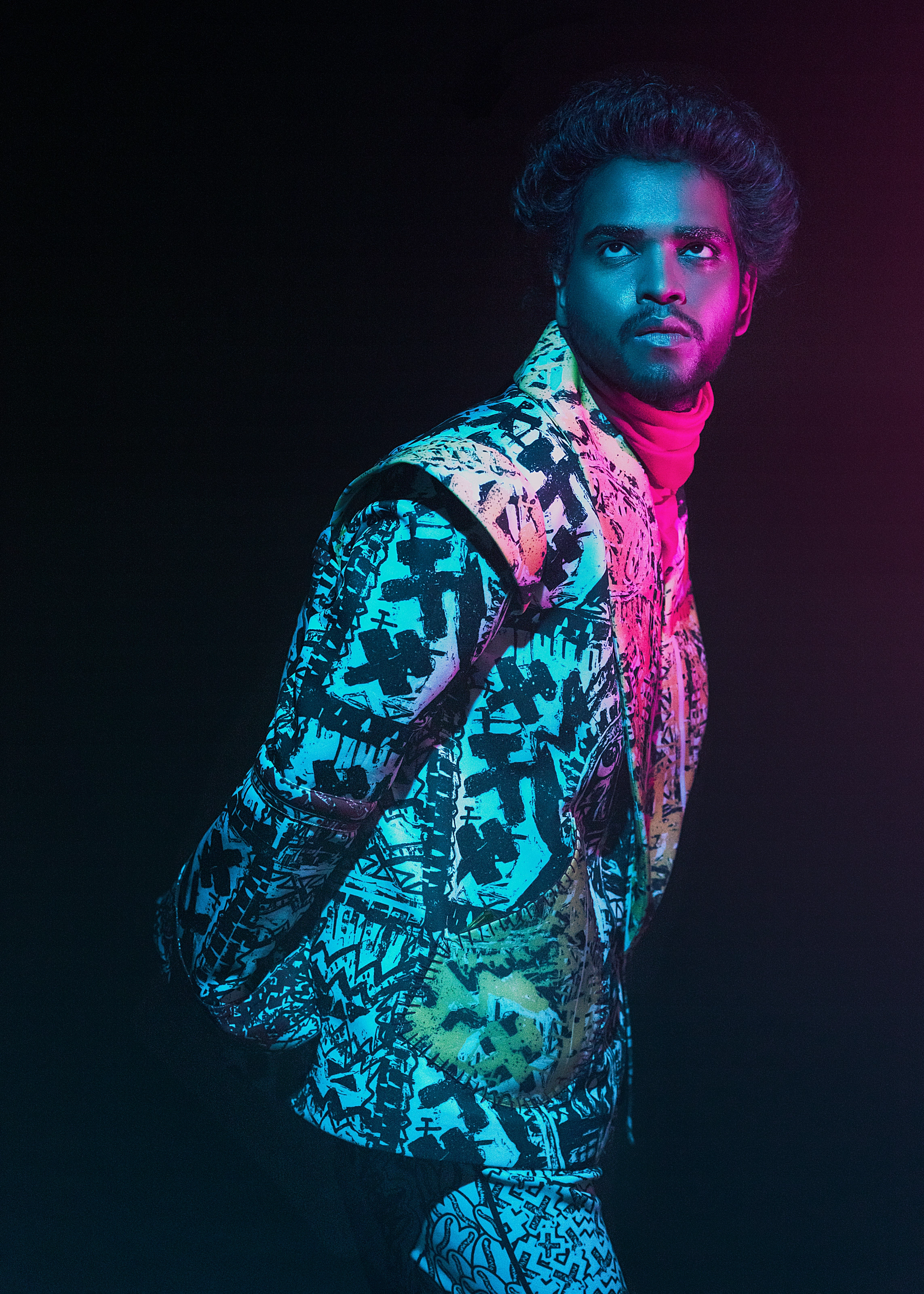
The saturated light also interacts with the graphic streetwear, oversized silhouettes and unconventional styling, allowing the fashion and environment to visually collide rather than simply placing a model in front of a backdrop.

The result sits somewhere between street photography, underground fashion and a still from a film that doesn't exist.

THE NIGHT FABLE: The Scrapyard After Dark

04 / THE NIGHT FABLE

The Beach, Without the Sun

The second environment deliberately moves in the opposite direction. Beaches are usually photographed through daylight. Blue water. Golden hour. Summer. Softness. We wanted none of that. At night, the same landscape becomes almost unrecognisable.

The ocean disappears into darkness. The horizon becomes ambiguous. Sand becomes texture. Everything unnecessary falls away.

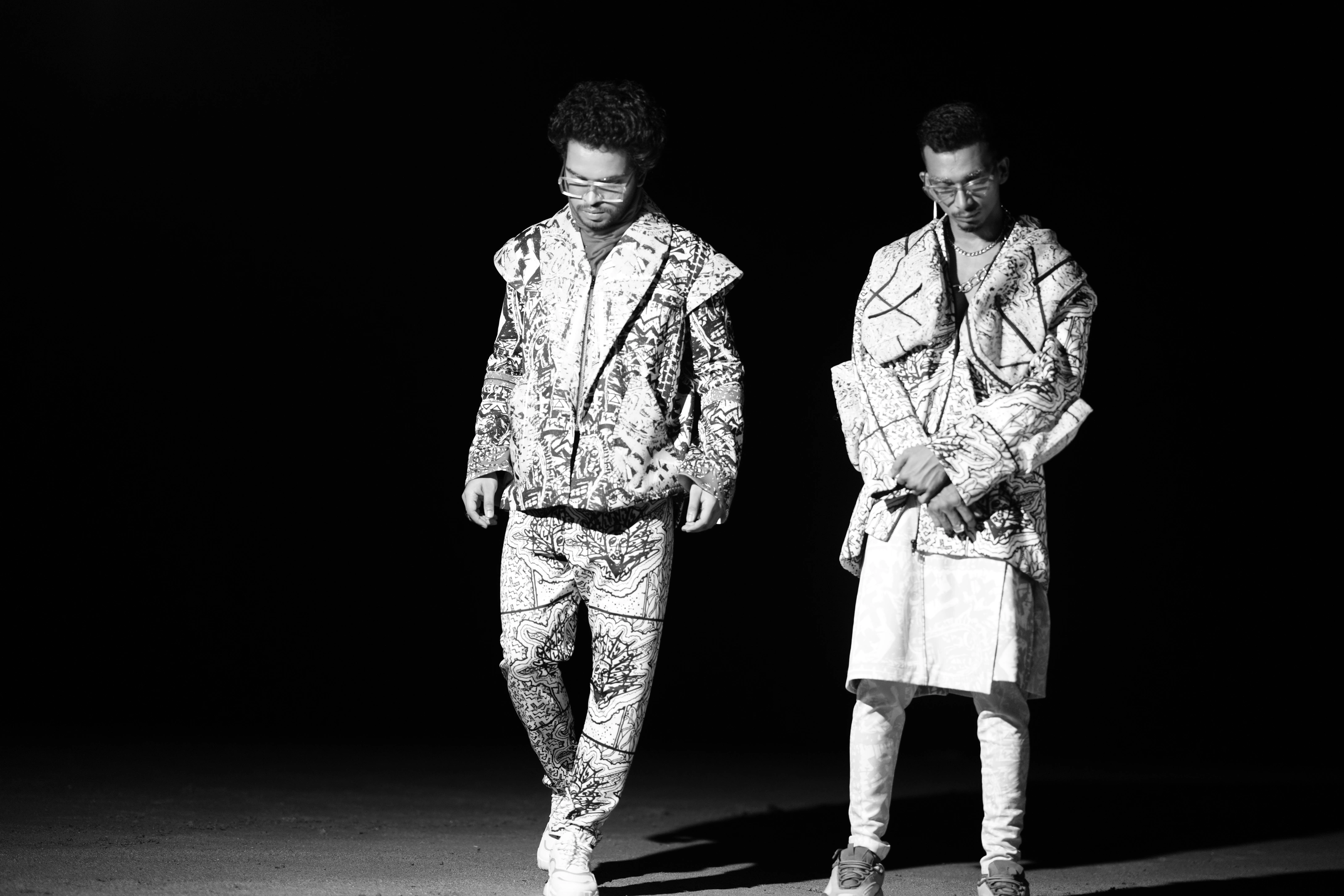
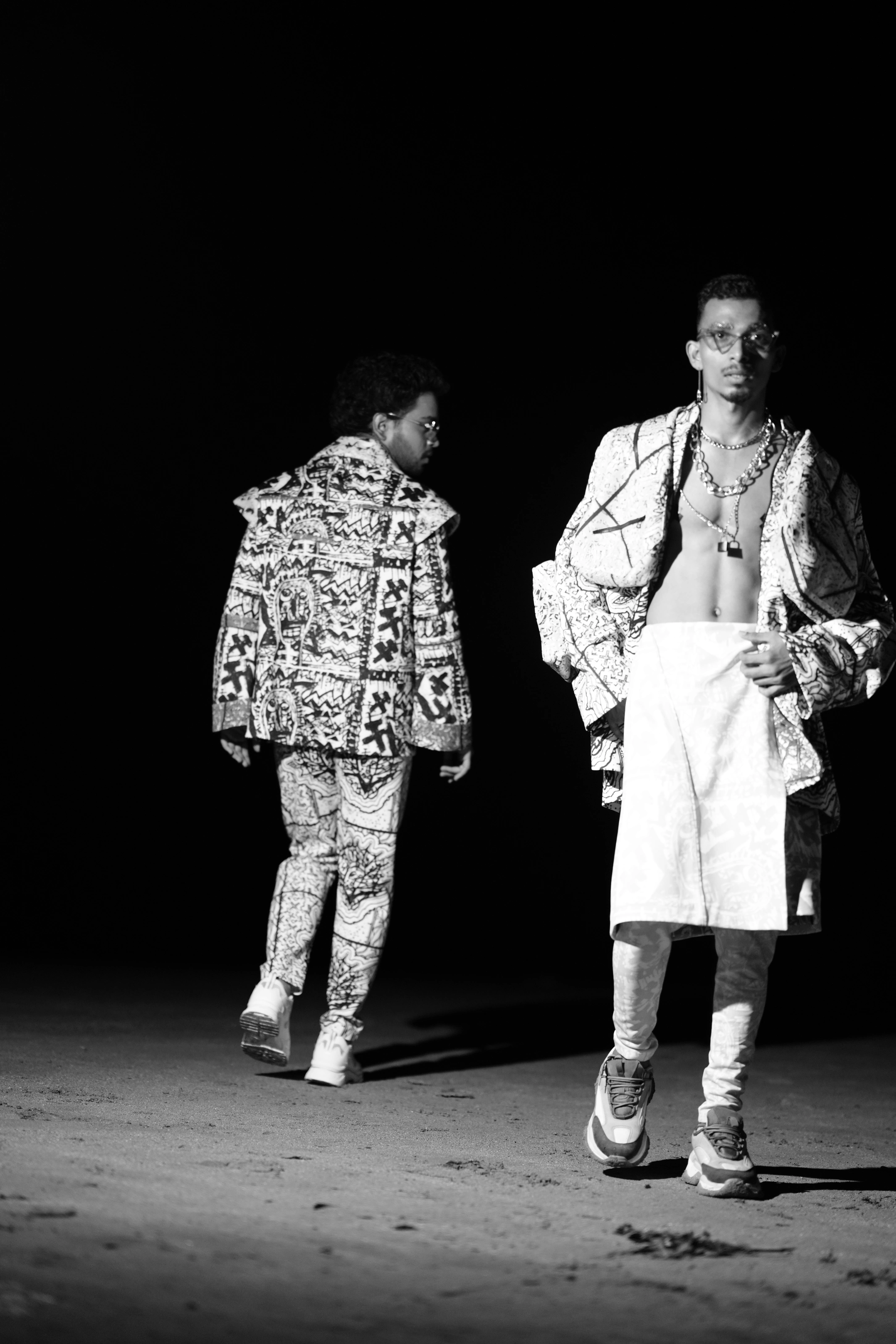
We photographed this chapter predominantly in stark black and white, using hard, directional light to isolate the models against an almost completely black environment.

Suddenly the beach doesn't read as a beach. It reads like a stage.

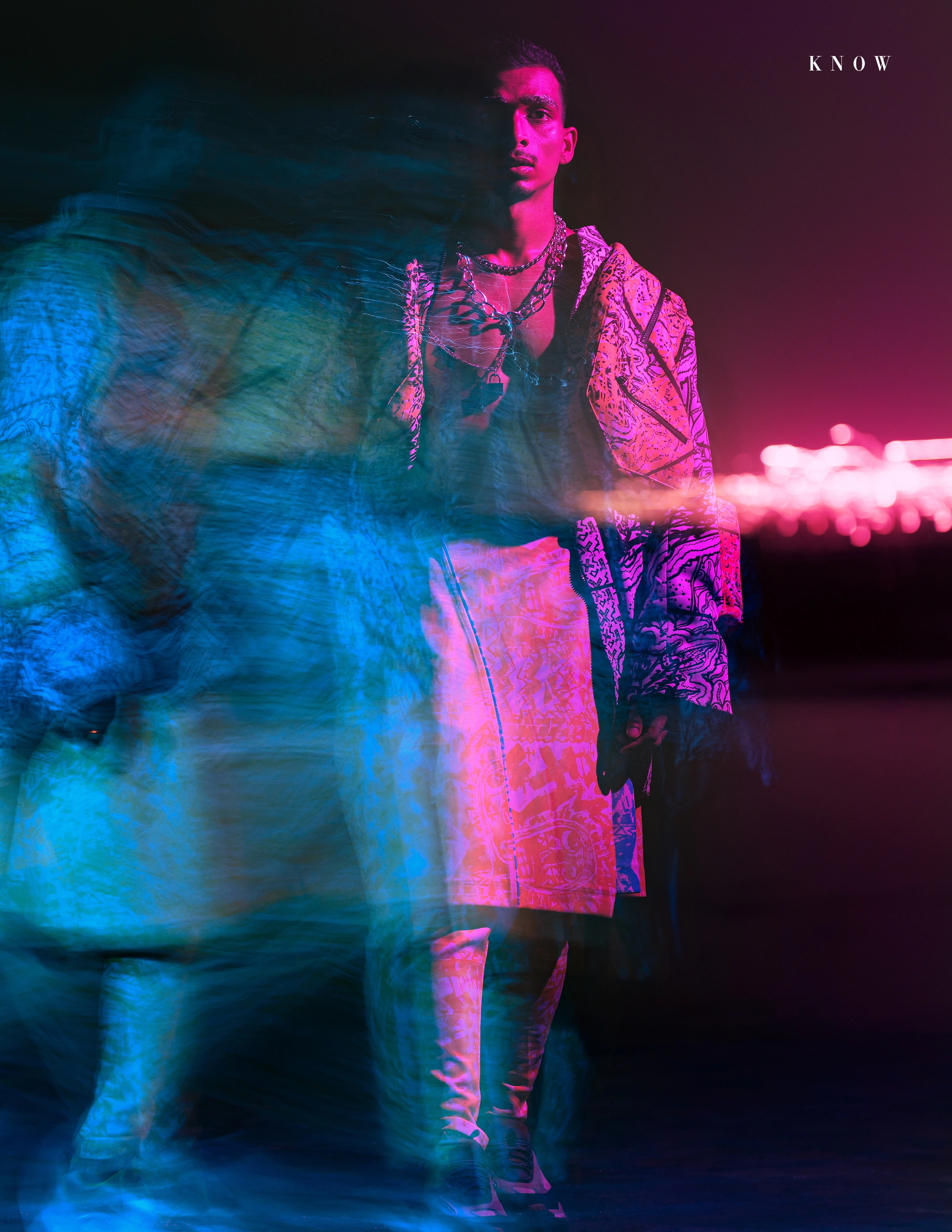
The models appear, disappear and move through pools of light, creating a much quieter and more mysterious counterpoint to the visual chaos of the scrapyard.

THE NIGHT FABLE: The Beach, Without the Sun

05 / THE NIGHT FABLE

Two Worlds. One Night.

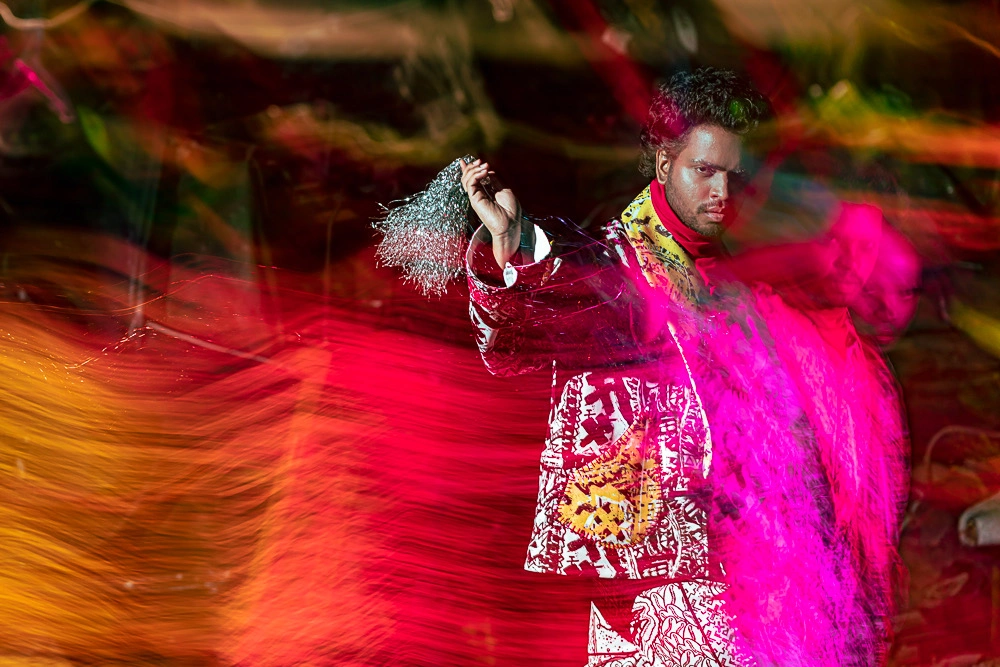
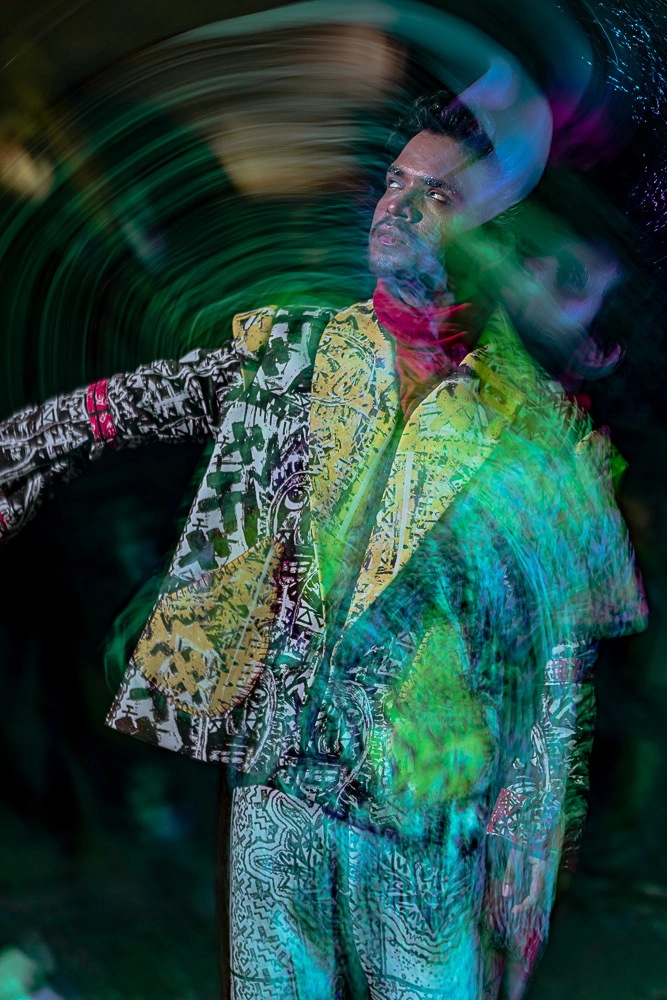
The contrast between the locations became fundamental to the story. The scrapyard is colour, disorder, density and energy. The beach is monochrome, negative space, movement and isolation. One feels chaotic. The other feels almost silent.

Together, they represent the unpredictability of wandering through a city at night. The Night Fable isn't supposed to happen in one location. It moves. Because nights move too. One moment you are surrounded by people, machines, colour and noise.

A few hours later, you could be standing somewhere completely empty.

THE NIGHT FABLE: Two Worlds. One Night.

06 / THE NIGHT FABLE

Fashion as Character

Streetwear was important because the clothes needed to feel like they belonged to people who could actually inhabit this world.

Pieces from Almost Gods, alongside other streetwear labels featured in the editorial, brought exaggerated proportions, illustration, typography, layering and graphic construction into the imagery.

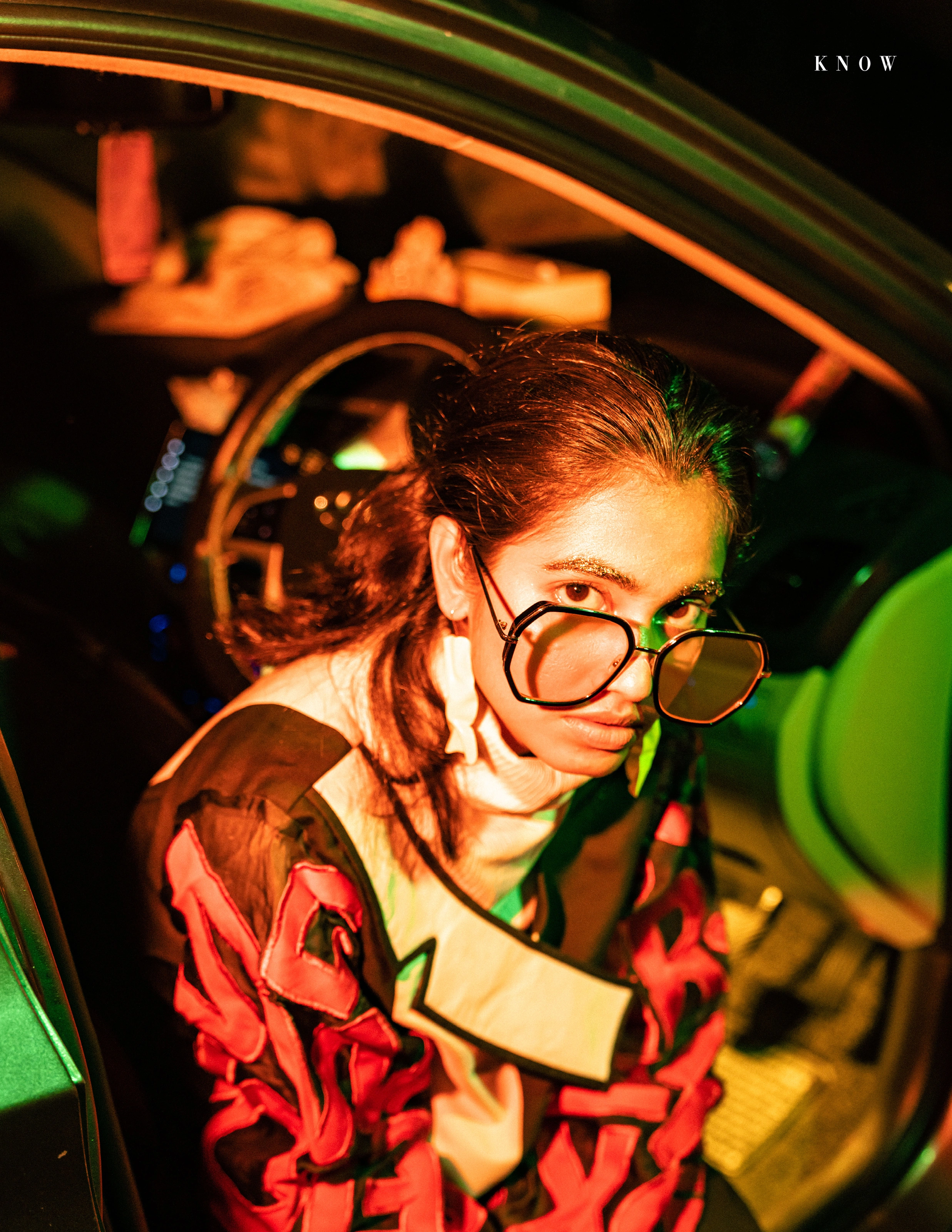
Rather than treating clothing as isolated product, we approached each look as part of a character.

The oversized glasses, layered jewellery, unconventional silhouettes and graphic garments become clues about whoever these people might be.

We never completely explain them. That ambiguity is intentional. Because a fable doesn't have to tell you everything.

THE NIGHT FABLE: Fashion as Character

07 / THE NIGHT FABLE

Why "The Night Fable"

A fable is a story. And there is something inherently narrative about wandering at night. You rarely remember a night only through where you went. You remember the strange conversation. The place you weren't planning to visit.

The person you met. The drive somewhere. The detour.

The moment that made absolutely no sense at the time but became the story you told the next morning.

That became the philosophy behind the title. Every night leaves behind a story. The people moving through those stories became our Night Fables.

THE NIGHT FABLE: Why "The Night Fable"

08 / THE NIGHT FABLE

Creating Rather Than Finding the Perfect Location

The project also represents an important part of KiQa's creative philosophy. A strong visual doesn't necessarily require the conventionally "perfect" location.

Sometimes the creative opportunity exists in seeing an ordinary or overlooked environment differently.

A scrapyard can become a fashion set. A beach can stop looking like a beach. Discarded motorcycles can become production design. Darkness itself can become negative space. Instead of asking, "Where should we shoot fashion?"

we asked, "What world should this fashion exist inside?" That question changed everything.

THE NIGHT FABLE: Creating Rather Than Finding the Perfect Location

09 / THE NIGHT FABLE

The Outcome

The Night Fable became an exploration of streetwear, youth culture, nocturnal wandering and unconventional beauty.

Across two radically different environments, the editorial moves between saturated colour and stark monochrome, visual chaos and emptiness, intimacy and distance.

There is no beginning or ending to the story. Only fragments. Characters passing through. Places transformed by darkness.

And the suggestion that somewhere between sunset and sunrise, another story happened.

For those who wander after dark, and come home with a story.
Explore all 75 photographs
THE NIGHT FABLE: The Outcome

Kiqa’s role

Photography

Disciplines

Creative DirectionPhotographyPost-Production

Project overview and photographs: Kiqa Productions.